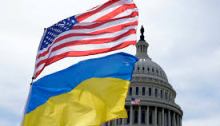
U.S.-Ukraine Negotiations on Critical Minerals: Implications and Context

The recent rejection by Ukrainian President Volodymyr Zelenskyy of a U.S. proposal to acquire a 50% stake in Ukraine’s critical minerals has brought to light the intricate balance between economic interests and national security. This development underscores the complexities inherent in international agreements involving strategic resources, especially in geopolitically sensitive regions. Ukraine’s Mineral Wealth and…
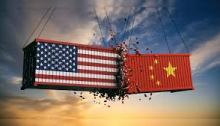
Chinese Exporters In The U.S. Tariff Era: Racing For New Markets And Squeezed Margins

Chinese manufacturers face mounting pressure as U.S. tariffs force a strategic pivot away from traditional markets. In a competitive scramble, exporters are turning to Asia, Africa, and Latin America to counteract the impact of higher duties imposed by Washington. Yet, as each company races to capture these alternative markets, the resulting competition is fueling price…

Trump’s Executive Order On DEI: Implications For Companies, Employees, And The Broader Industry

In a significant policy shift, President Donald Trump has issued an executive order directing federal agencies to terminate diversity, equity, and inclusion (DEI) programs and encouraging private companies to follow suit. This move has profound implications for businesses, their employees, and the wider industry landscape. Background of the Executive Order On January 21, 2025, President…

Trump’s Executive Order On TikTok: Navigating Legal Complexities And Political Implications

On January 20, 2025, President Donald Trump signed an executive order granting a 75-day extension for TikTok’s operations in the United States, temporarily halting the ban that was set to take effect on January 19. This decision has introduced a series of legal and political challenges for the short-video platform, as well as for service…

EU Moves Towards Ban On PFAS In Consumer Products Amid Growing Health Concerns

The European Commission is moving forward with a proposal to ban the use of Perfluoroalkyl and Polyfluoroalkyl Substances (PFAS), commonly known as “forever chemicals,” in consumer products. This decision follows increasing concerns over the environmental and health impacts of these substances, which do not break down in the environment and can accumulate in ecosystems, drinking…

Retail Unrest: Labor Union Strikes Spread Across Global Retail Giants Amid Growing Worker Demands

The retail industry is facing a wave of labor union strikes as workers demand better wages, improved benefits, and fairer working conditions. The latest development in this growing trend comes from the United States, where the Teamsters Union announced that its members at Costco Wholesale have overwhelmingly voted to authorize a nationwide strike. With more…

Sanctions On Russian Oil Ripple Through Global Diesel Markets: Assessing The Shift In Supply Dynamics

The latest round of U.S. sanctions targeting Russia’s oil trade has created ripples across global energy markets, sparking concerns over diesel supply shortages and refining margins. However, beyond the immediate market response, this development highlights a deeper, ongoing restructuring of global oil flows and supply chains. The measures, aimed at crippling Russia’s oil revenue amid…

BRICS Expansion Faces U.S. Tariff Threat: Implications and Strategic Responses

The BRICS economic bloc, composed of Brazil, Russia, India, China, and South Africa, has been expanding rapidly and poses a growing challenge to U.S. dominance in global trade. With the recent inclusion of Egypt, Ethiopia, Iran, and the United Arab Emirates, the group now has over 30 nations expressing interest in joining. Despite this growing…

UK’s ‘Third Way’ On AI Regulation: A Balancing Act Between Innovation And Accountability

The United Kingdom is positioning itself as a global leader in artificial intelligence (AI), but with a regulatory strategy distinct from its Western counterparts. British officials have emphasized a “pro-innovation” approach, diverging from the European Union’s comprehensive legislation and the United States’ patchwork regulatory framework. By crafting a unique regulatory model, the UK seeks to…

U.S. Defense Department Expands ‘Chinese Military Companies’ List, Heightening Tensions Between The U.S. And China

The U.S. Defense Department has added several prominent Chinese technology giants to its annual list of companies it claims have ties to China’s military, a move that could have serious implications for these firms’ international operations. Among the companies now included on the so-called “Section 1260H list” are major players such as Tencent Holdings, battery…